
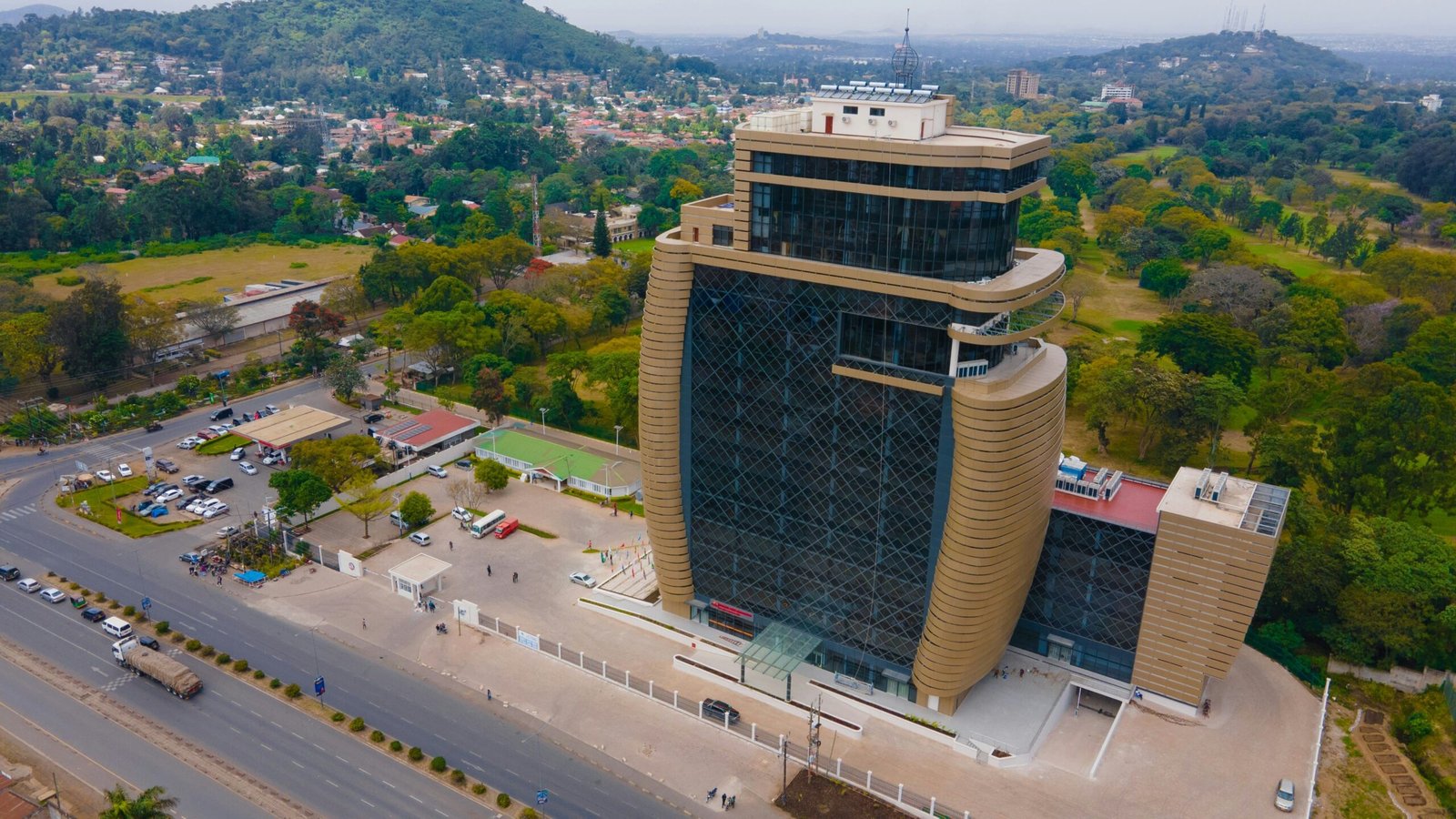
Arusha is more than a gateway to Tanzania’s famous safari destinations. Located beneath Mount Meru, the city offers a fascinating mix of culture, nature, wildlife, adventure and traditional food. If you have a few extra hours or a day before or after your safari, here are some experiences worth adding to your Arusha itinerary. 1. Explore Cultural Heritage Visit the Cultural Heritage Centre to discover Tanzanian art, history, traditional crafts, sculptures and jewellery. It is a great introduction to the country’s diverse cultural heritage and a good place to find locally made souvenirs. 2. Visit the Maasai Market For a more local shopping experience, explore Arusha’s Maasai markets. You can find colourful beadwork, fabrics, carvings, paintings and handmade souvenirs while experiencing the lively atmosphere of local traders. 3. Canoeing at Lake Duluti Looking for a peaceful outdoor experience? Head to Lake Duluti, a beautiful crater lake near Arusha. Canoeing offers a relaxing way to enjoy the scenery, birdlife and surrounding forest while taking a break from the excitement of safari. 4. Discover a Waterfall The areas around Mount Meru offer beautiful waterfall and hiking experiences. A waterfall excursion is a great choice for travelers who enjoy walking, nature and photography and want to experience the landscapes beyond the city’s main attractions. 5. Visit Meserani Snake Park For something different, visit Meserani Snake Park and learn about some of Tanzania’s snakes and other reptiles. The experience can also include an introduction to Maasai culture, making it an interesting stop for families and wildlife enthusiasts. 6. Experience Serval Wildlife Wildlife lovers can spend a day at Serval Wildlife, where visitors can experience wildlife in a more intimate setting. It can be a particularly enjoyable option for families, photographers and travelers with an extra day in the Arusha area. 7. Taste Traditional Tanzanian Food Don’t leave Arusha without trying some local flavours. Depending on where you eat, you can experience favourites such as nyama choma, pilau, ugali, mishkaki, chapati and chipsi mayai, together with fresh tropical fruits and locally grown coffee. Food is more than a meal- it is another way to experience Tanzanian culture. 8. Take a Day Trip If you have a full day available, Arusha can be your starting point for several exciting excursions. Depending on your interests, you can combine waterfalls, coffee experiences, cultural visits, Lake Duluti, wildlife or village experiences into a memorable day outside the city. Make Arusha Part of Your African Adventure Whether you have a few hours or several days, Arusha offers plenty of ways to experience Tanzania beyond the traditional safari. At Afrione Adventures, we can help you combine Arusha experiences with your Tanzania safari, Kilimanjaro adventure or Zanzibar holiday, creating a journey around your interests and available time. Ready to explore Arusha? EXPLORE TANZANIA TOURSREQUEST A CUSTOM QUOTE
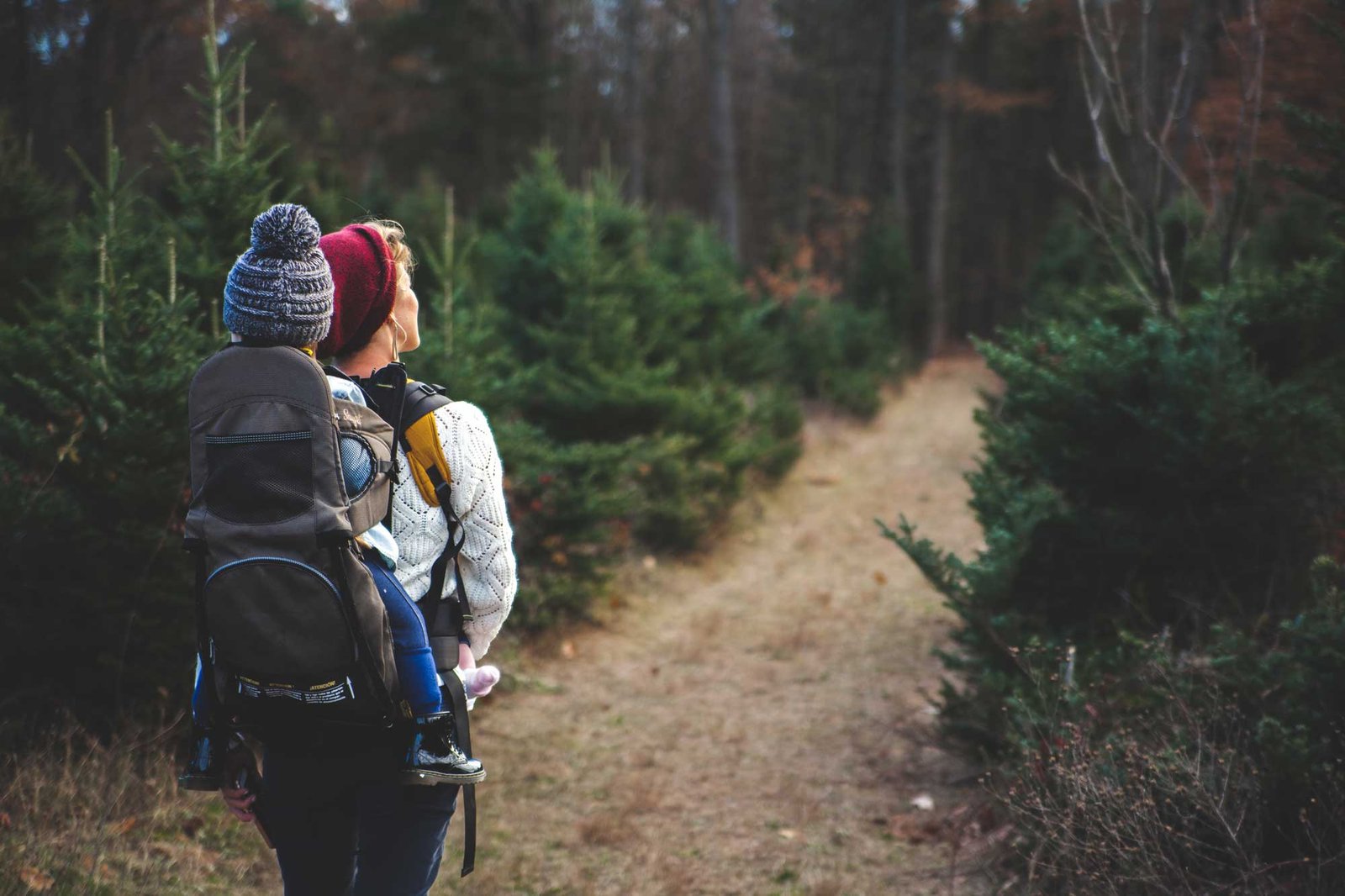
Reasons to Book Your African Safari Early.
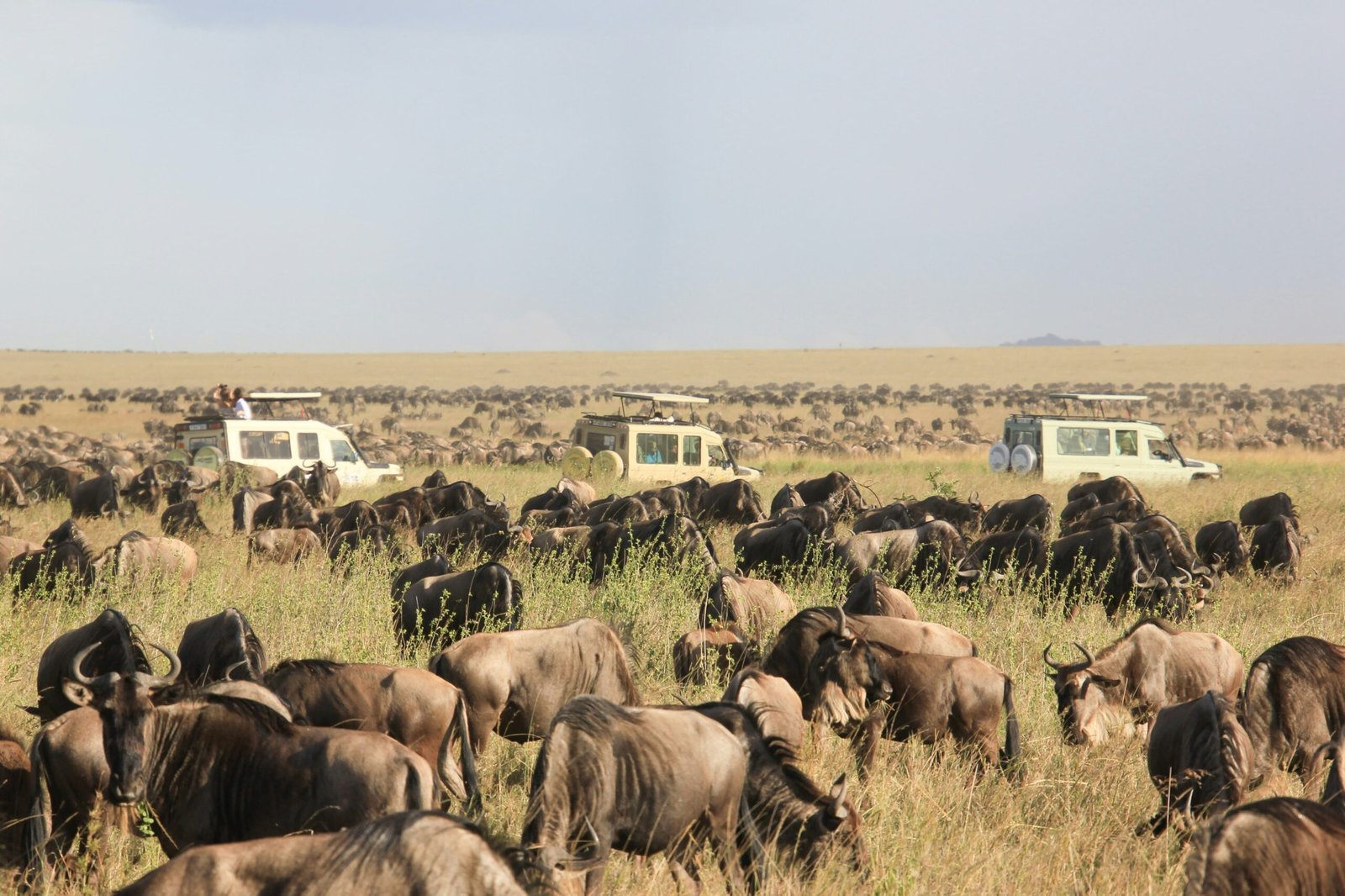
There’s a common misconception that safari planning can happen a few weeks before you fly. In reality, the best camps, guides, and experiences across Tanzania and Kenya are often booked out six months to a year in advance – especially during peak migration season. Here’s why locking in your dates early makes all the difference. 1. The Best Camps Fill Up First Popular camps in prime locations especially those positioned for river crossings during the Great Migration – have limited rooms and loyal repeat guests who book a year ahead. Waiting until the last minute usually means settling for whatever’s left, not what’s best for your trip. 2. Prices Rise as Availability Shrinks Safari pricing isn’t fixed year-round. As camps fill and demand increases closer to peak season, rates climb. Booking early typically locks in better value, before last-minute scarcity pushes prices up. 3. Migration Timing Is Everything The wildebeest migration moves in a continuous cycle between the Serengeti and the Maasai Mara, and its exact position shifts year to year based on rainfall. Early planning gives us more room to time your safari around the specific phase you want to witness , whether that’s the dramatic river crossings or the calving season. 4. Flights and Visas Take Time International flights into Tanzania and Kenya, especially during high season, can sell out or spike in price closer to departure. Visa processing, vaccination requirements, and connecting domestic flights to remote airstrips all take time to arrange properly, rushing this stage adds unnecessary stress. 5. You Get a Truly Tailored Trip When you plan early, there’s time for a real conversation about what you want: your pace, your budget, your must-see destinations. Last-minute bookings often mean picking from whatever’s available rather than building the trip that’s actually right for you. The takeaway: the earlier you start planning, the more choice, value, and flexibility you have. If you already know roughly when you want to travel, reach out now- even a rough idea is enough to start the conversation. Ready to start planning? [Request Your Custom Quote] and let’s find the right dates for your trip.
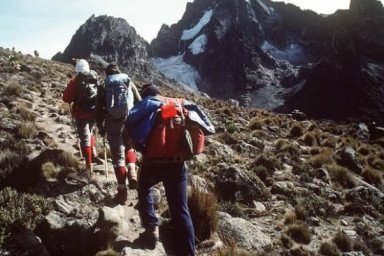
Packing Smart: What to Bring on an African Safari.
Overpacking is, by far, the most common mistake first-time safari travelers make -and it’s also the easiest to avoid. Small bush planes between safari airstrips often enforce strict luggage weight limits (typically around 15kg / 33lbs, including hand luggage, in a soft-sided bag), so packing smart isn’t just convenient, it’s often necessary. Clothing: Less Is More Pack lightweight, breathable clothing in neutral tones- khaki, olive, tan, and muted greens. These colors help you blend into the environment and are less likely to attract insects such as tsetse flies, which are drawn to dark blue and black fabric in particular. A few key pieces: Footwear Comfortable, closed-toe shoes are essential -sturdy walking shoes or light hiking boots for game drives and any walking safaris, plus a pair of sandals for relaxing at camp. Gear Worth Bringing Health & Comfort Essentials What to Leave at Home The takeaway: pack light, pack neutral, and prioritize function over fashion. A well-packed bag makes every transfer, flight, and game drive that much smoother. Have questions about what to pack for your specific trip? Contact Us – we’re happy to send a tailored packing list based on your exact itinerary and season.
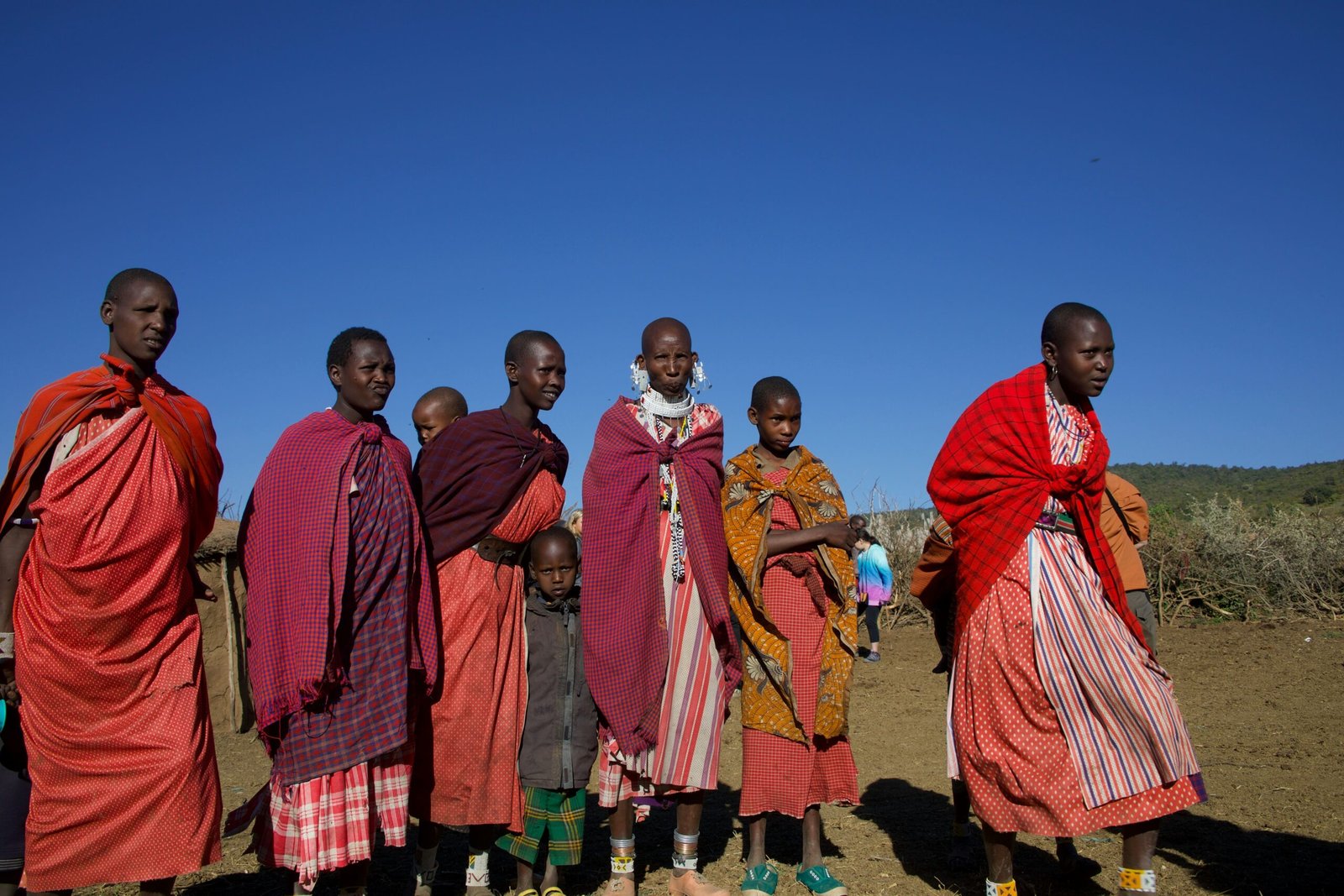
Is Tanzania or Kenya Better for a Family Safari?
It’s one of the most common questions we get, and the honest answer is: both countries offer incredible family safari experiences -the right choice really depends on your family’s priorities. Here’s a real breakdown to help you decide. Wildlife & Scenery Both countries sit within the same broader ecosystem and share access to the Great Migration at different times of year. Tanzania’s Serengeti and Ngorongoro Crater offer vast, dramatic landscapes and exceptional big-cat sightings. Kenya’s Maasai Mara delivers equally spectacular wildlife viewing, often in a more compact area- meaning shorter driving distances between sightings, which can matter with younger children who have limited patience for long game drives. Getting There Kenya’s Nairobi is a major international hub with more direct long-haul flight options from Europe and North America, and the Maasai Mara is a relatively short flight or drive from Nairobi. Tanzania’s northern circuit (Serengeti, Ngorongoro, Tarangire) is typically accessed via Kilimanjaro or Arusha airports, which may involve a connection depending on where you’re flying from. For families prioritizing shorter total travel time, Kenya sometimes has a slight edge. Cost & Value Tanzania’s national parks generally carry higher park fees, but many travelers find this reflected in less crowded game viewing, particularly in parks like Ruaha or Tarangire. Kenya’s Maasai Mara can feel busier during peak migration months, though it also offers a wider range of budget-to-luxury camp options, giving families more flexibility to control costs. Family-Friendliness Both countries have family-oriented camps, but it’s worth checking specific camps rather than assuming by country- some properties in both Kenya and Tanzania offer family tents, junior ranger programs, and flexible activity pacing, while others are adults-focused or have minimum age restrictions for game drives (commonly starting around age 6-12). This matters more than the country choice itself. Can You Do Both? Yes, and many families do. A combined Kenya-and-Tanzania itinerary is entirely possible, letting you experience the Maasai Mara and the Serengeti in one trip, since they’re part of the same connected ecosystem separated only by a border. The takeaway: rather than choosing based on the country name alone, think about your family’s travel patience, budget, and whether shorter transfers or a specific wildlife experience matters most. We’re happy to walk through the specifics with you. Not sure which fits your family best? Request a Custom Quote and tell us what matters most to you – we’ll help you decide.
What Makes a Safari Camp Family-Friendly?
Not every safari camp is built with children in mind – and choosing the wrong one can turn an exciting trip into a stressful one. Here’s what to actually look for when booking a family safari stay. Age Policies for Game Drives This is the detail families most often overlook. Many camps and even some parks have minimum age policies for game drives – commonly somewhere between 6 and 12 years old, due to the length of drives and safety around wildlife. Always confirm this before booking rather than assuming your children are welcome on every activity. Flexible Activity Pacing Family-friendly camps typically offer shorter, more flexible game drives rather than rigid full-day outings, along with the option to skip an early-morning drive without disrupting the whole day’s schedule -important for families with younger children or different energy levels. Family Accommodation Options Look for camps offering family tents, interconnecting rooms, or private family units rather than only standard double rooms. This affects both comfort and cost, since some camps otherwise require booking two full separate rooms. Kid-Friendly Meals and Timing Good family camps offer flexible meal times and simpler menu options for children, rather than expecting kids to sit through a long, formal multi-course dinner timed for adult guests. Educational and Engagement Programs Many top family camps run junior ranger programs, guided nature walks scaled for kids, or basic tracking and conservation lessons -turning downtime between game drives into something genuinely engaging rather than just waiting around. Safety Measures Confirm the camp’s approach to unfenced wildlife areas – some camps have fully open layouts (requiring an escort after dark), while others have partially fenced family zones. Neither is inherently better, but it’s worth knowing which you’re booking, especially with young children. The takeaway: the country and the park matter less than the specific camp’s policies and facilities. A little research (or letting us handle it for you) makes the difference between a stressful trip and a genuinely relaxing one. Want a family-friendly camp shortlist for your dates? Contact Us and we’ll recommend options that actually fit your family’s needs.
Why We Plant Trees: Inside Our Miti ni Uhai Initiative
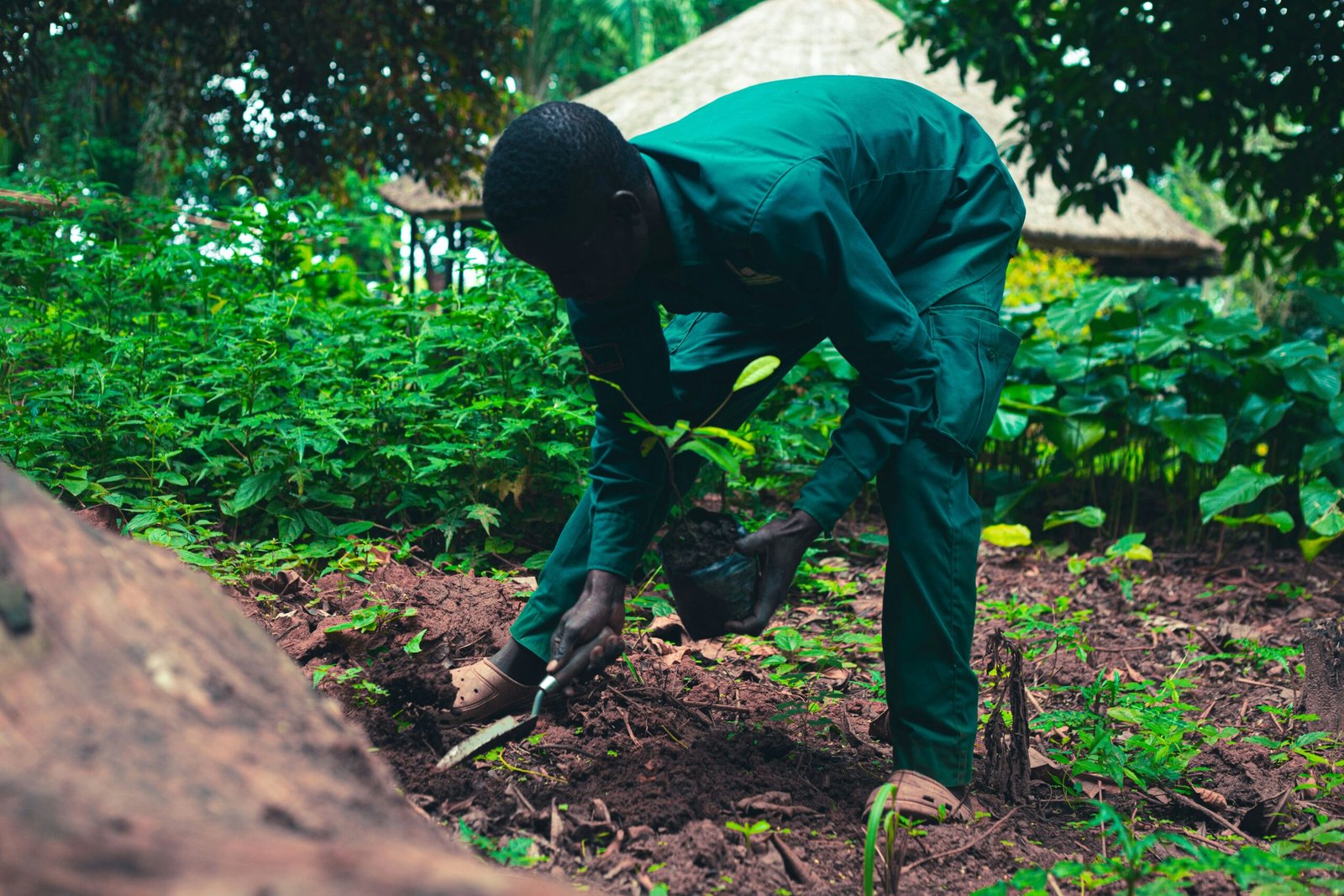
At AfriOne Adventures, we believe travel should leave more behind than a carbon footprint. That’s the thinking behind Miti ni Uhai – Swahili for “Trees are Life” — our flagship environmental initiative working to restore degraded ecosystems and tackle water scarcity across Africa. The Problem We’re Addressing Deforestation across Africa continues to degrade land, disrupt wildlife habitats, and contribute to soil erosion- but planting trees alone isn’t always enough. One of the leading reasons newly planted trees fail to survive is simple: lack of water. Without a sustainable water source nearby, even a well-intentioned planting effort can fail within its first year. Our Twofold Mission That’s why Miti ni Uhai tackles both problems together: Why It Matters Beyond the Trees Themselves Each tree planted does more than add greenery: A Growing Movement We partner with primary and secondary schools, churches and community groups, local and international organizations, and individual volunteers who want to make a real, hands-on impact. Through these partnerships, we provide tree seedlings, organize planting drives, and build sustainable water access – ensuring every tree planted has a genuine chance to survive. How You Can Get Involved Every AfriOne trip connects, even indirectly, to this larger mission, because we believe the best way to experience Africa is to also help protect it. Want to get involved in a tree-planting mission during your trip? Learn More About Our Community & Impact Work or contact us directly to join our next planting drive. “Miti ni Uhai – because planting trees is planting hope.”
Zanzibar or Mombasa: Choosing Your Beach Add-On
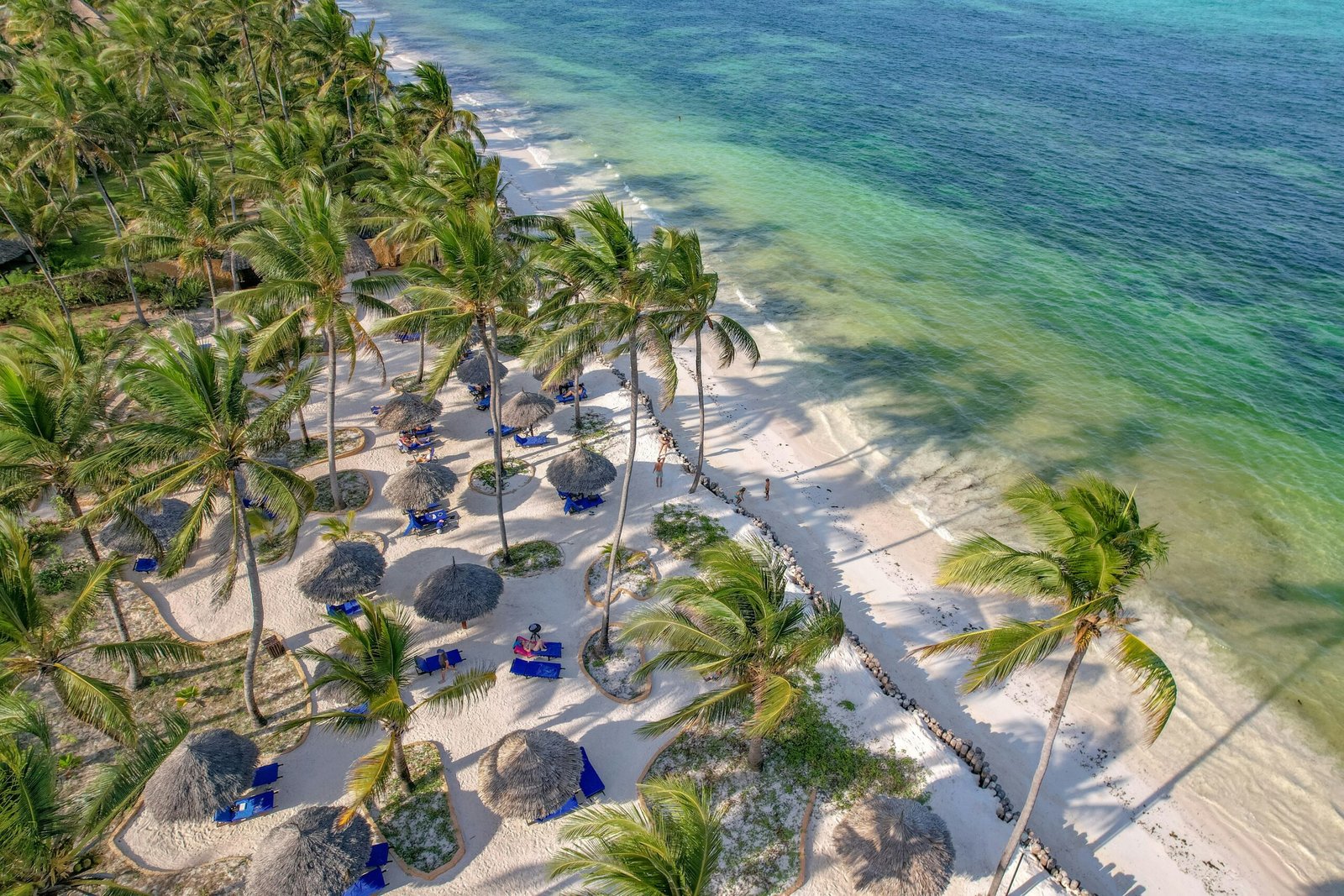
Both Zanzibar and Mombasa offer white-sand beaches and turquoise water, making either a natural add-on to a Tanzania or Kenya safari. But the two destinations differ more than their beaches suggest -here’s how to choose. Culture & History Zanzibar’s Stone Town, a UNESCO World Heritage Site, reflects centuries as a hub of Indian Ocean trade – a rich blend of Arab, Persian, Indian, and African Swahili culture, once the seat of a powerful Sultanate. Mombasa carries its own deep history as one of East Africa’s oldest port cities, home to Fort Jesus, built by the Portuguese in 1593, reflecting centuries of Swahili, Arab, Portuguese, and British influence along the Kenyan coast. Getting There Zanzibar pairs naturally with a Tanzania safari -short flights connect it directly to Arusha, Kilimanjaro, or Dar es Salaam. Mombasa pairs just as naturally with a Kenya safari, with regular flights from Nairobi, or the option of a scenic self-drive down the coast. Beaches & Activities Zanzibar’s beaches- particularly along the east coast- are known for powder-soft white sand and dramatic tides, along with spice tours, dhow sailing cruises, and nearby Mafia Island’s exceptional diving and whale shark encounters. Mombasa and the surrounding coast (including nearby Diani Beach) offer similarly beautiful stretches of sand, along with marine parks, snorkeling, and a slightly more built-up city atmosphere alongside the resort areas. Overall Vibe Zanzibar tends to feel like a slower-paced island escape- more remote, more laid-back, and distinctly Swahili-island in character. Mombasa feels more like a coastal city with beach resorts nearby, offering a bit more urban energy and day-trip variety alongside the beach itself. Which Should You Choose? In practice, the decision often comes down to logistics: if you’re safariing in Tanzania, Zanzibar is the natural, seamless extension. If you’re safariing in Kenya, Mombasa fits the same way. Either works beautifully as a relaxing finish to a wildlife-focused trip. The takeaway: you genuinely can’t go wrong with either- the better question is which fits naturally with the rest of your itinerary. Planning a safari-and-beach combination trip? Request a Custom Quote and we’ll help you build the perfect pairing.